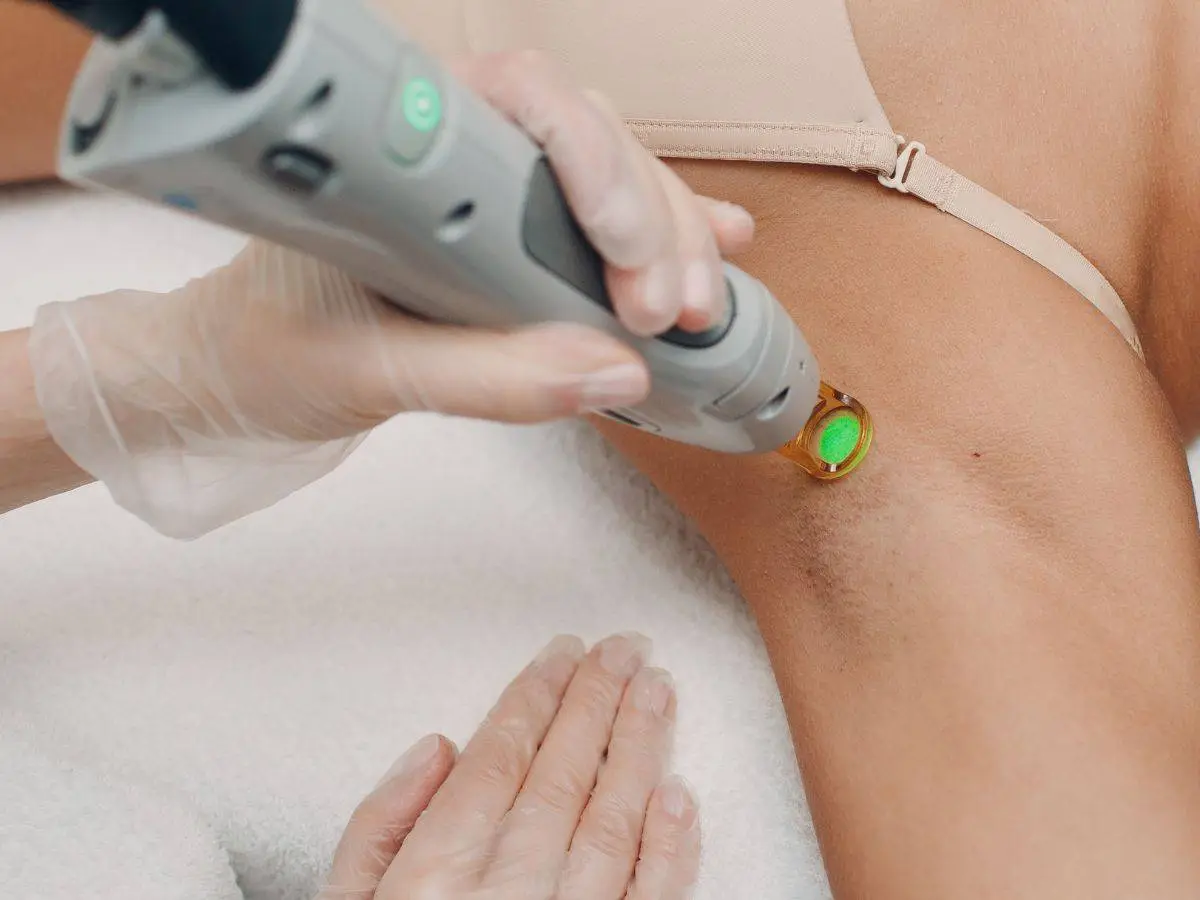
Laser hair removal is one of the most popular aesthetic treatments worldwide, and for good reason. It offers permanent hair reduction, saving you from razors, waxing, and endless hours in the bathroom. However, before booking an appointment, it's completely natural to wonder how safe the procedure is and what side effects laser hair removal might have? In this article, we will examine in detail what happens to the skin during treatment, which reactions are expected and which are rare, and most importantly, what you can do to minimize any risks.
How Laser Hair Removal Works To understand the side effects, it helps to know exactly what happens during the session. The laser emits non-ionizing radiation, meaning a beam of light that does not harm the DNA of your cells. This radiation is absorbed by the melanin in the hair and converted into heat, which destroys the follicle (the "root" of the hair) without affecting the surrounding tissue. This specialized targeting is also why the method is considered safe for both the face and body. It does not touch internal organs, nor does it penetrate deep into the body. It simply destroys the follicle so that the hair does not grow back.
Common and Temporary Side Effects After each laser hair removal session , your skin goes through a mild reaction phase. This should not concern you. In most cases, these are completely normal reactions that subside on their own within a few hours or days. Redness and slight swelling are the most common reactions. The treated area may become red or slightly swollen. This typically subsides within a few hours. A sensation of burning or irritation may appear immediately after the session. Many describe it as a slight "stinging" that quickly goes away with the use of a soothing cream or cold compress. Dryness and slight peeling may be observed in the first few days after treatment. Proper skin hydration helps with faster recovery. All of the above are indications that the treatment worked correctly, as the hair follicle received the thermal energy it needed.
More Serious Side Effects (Rare) In some cases, especially when the treatment is not performed by a specialized operator or the machine is not properly configured, there is a possibility of more severe reactions. Dark Spots from Laser Hair Removal (Hyperpigmentation) Hyperpigmentation appears as dark spots on the skin after treatment. This usually occurs in darker skin phototypes or when the treatment is performed on tanned skin. Dark spots are mainly due to incorrect energy settings or an unsuitable laser type for the specific phototype. In most cases, they are temporary and subside in weeks or months with proper care. White Spots from Laser (Hypopigmentation) Unlike dark spots, hypopigmentation creates light-colored areas on the skin. This happens when the laser's heat destroys melanocytes (the cells that produce melanin) in the area. It is a rarer side effect and appears more frequently on dark skin with quite high settings. White spots may take several months to fully recover.
Laser Burns: When Do They Go Away? Laser hair removal burns are one of the most concerning side effects. In reality, mild burns (like first-degree sunburn) usually subside within 3 to 7 days with the use of appropriate soothing products and proper hydration. In rare cases of deeper burns, recovery may take several weeks and require medical evaluation.
Alexandrite Laser Burn The Alexandrite laser is one of the most effective machines for hair removal, especially for lighter skin tones. However, due to the way it interacts with melanin, on dark or tanned skin, there is an increased risk of burns if not adjusted correctly. This risk is drastically reduced when the treatment is performed by an experienced professional who carefully assesses your phototype and adjusts the settings accordingly.
How to Reduce the Chances of Side Effects The majority of side effects are not related to the method itself, but to the way it is applied. This means you have several things you can do to protect your skin. Before treatment, avoid tanned skin. Do not sunbathe, use a solarium, or apply self-tanner for at least 2 weeks before the session. Tanned skin can interfere with laser targeting, increasing the risk of burns or discolorations. After treatment, sun protection is essential. Use SPF 50+ sunscreen daily on the treated area and avoid direct sun exposure for at least one week. Keep your skin moisturized and avoid harsh exfoliants or retinoid products in the first few days. Above all, choose a specialized center with certified machines and trained staff. The operator's experience plays a crucial role in the safety and effectiveness of each session.
Laser Hair Removal During Pregnancy A frequently asked question concerns the safety of laser hair removal during pregnancy. There is no scientific evidence that the treatment can harm the fetus, as the radiation is non-ionizing and does not penetrate deeply. However, most experts recommend avoiding it during pregnancy as a precautionary measure, given that hormonal changes can affect both hair growth and skin sensitivity.
Which Laser Types Are Used The most common machines for hair removal are the Alexandrite laser and the Diode laser. Alexandrite is ideal for lighter phototypes and fine hairs, while diode offers flexibility across a wider range of phototypes. Both provide significant hair reduction in short intervals, with temporary symptoms subsiding within a few days. The correct laser type always depends on your phototype, hair color, and the area you wish to treat. This is why a personal assessment is important before each treatment.
Conclusion Laser hair removal remains an extremely safe and effective treatment, provided it is performed under appropriate conditions. Common side effects (redness, mild irritation, dryness) are temporary and normal, while more serious issues such as burns, dark or white marks are rare and almost always avoided with proper phototype assessment and the use of appropriate equipment. Whatever you decide, remember that choosing an experienced specialist is the most important decision you will make. The right professional assesses your skin, selects the appropriate laser type, and adjusts every parameter according to your needs. Book your appointment at Facemed Clinic, and we will guide you to the safest and most effective hair removal treatment for you. More Articles Laser hair removal for armpits When does hair fall out after laser? Laser hair removal during pregnancy: What you need to know VIEW ALL
Does laser hair removal hurt?
The sensation is like a light prick or a "snap" from a rubber band on the skin. Modern machines feature integrated cooling systems that significantly reduce discomfort during the session.
How many sessions are needed?
Typically, 6 to 8 sessions are needed, with intervals of 4 to 6 weeks, depending on the area, hair type, and its growth phase.
Can I have laser hair removal on my face?
Yes, laser can be safely applied to areas such as the upper lip, chin, and cheeks. The only prerequisites are the correct machine settings and the use of special protective eyewear.
Is laser hair removal permanent?
The treatment offers a permanent reduction in hair growth by 80% to 90%. Some hairs may reappear thinner and sparser, so an annual maintenance session may be necessary.
Do dark spots from laser hair removal disappear?
In most cases, yes. Post-laser hyperpigmentation is usually temporary and resolves with sun protection and appropriate lightening products within weeks to months.
What if I get a burn?
Apply a cold compress, use a soothing cream (e.g., aloe vera), and contact the specialist who performed the treatment. If the burn does not subside in a few days or if blisters appear, seek medical evaluation.